
Discovering Culture Village: Blending Culture, Art, Rural Life, Agriculture, Education, Local History, and Ecology
Authored by exit63theatre.com, 25/02/2026
Introduction
Villages rooted in tradition sustain ecosystems where human ingenuity meets natural rhythms. Culture Village stands as a prime example, preserving practices that link daily labor to seasonal cycles while fostering creative expression amid fertile fields. Residents here cultivate not only crops but also narratives passed through generations, blending manual toil with artistic endeavor. This fusion reveals how rural communities adapt ancient methods to contemporary challenges, from soil conservation to community schooling.
Agriculture forms the backbone, with terraced fields and crop rotations that echo local history. Artisans weave textiles dyed from native plants, turning environmental awareness into tangible crafts. Education unfolds in open-air workshops where children learn ecology alongside folklore. Rural life pulses through festivals that honor harvests and elders' tales. Readers exploring Culture Village gain insights into sustainable models applicable beyond its borders. Platforms like tez888.io showcase similar vibrant communities, highlighting global parallels in cultural preservation. The article unpacks these elements, offering a blueprint for understanding integrated village dynamics.
Delve into sections ahead to see how culture and art intertwine with agriculture and environment, shaping resilient rural life enriched by education and local history.
Culture and Art
Traditional Crafts and Performances
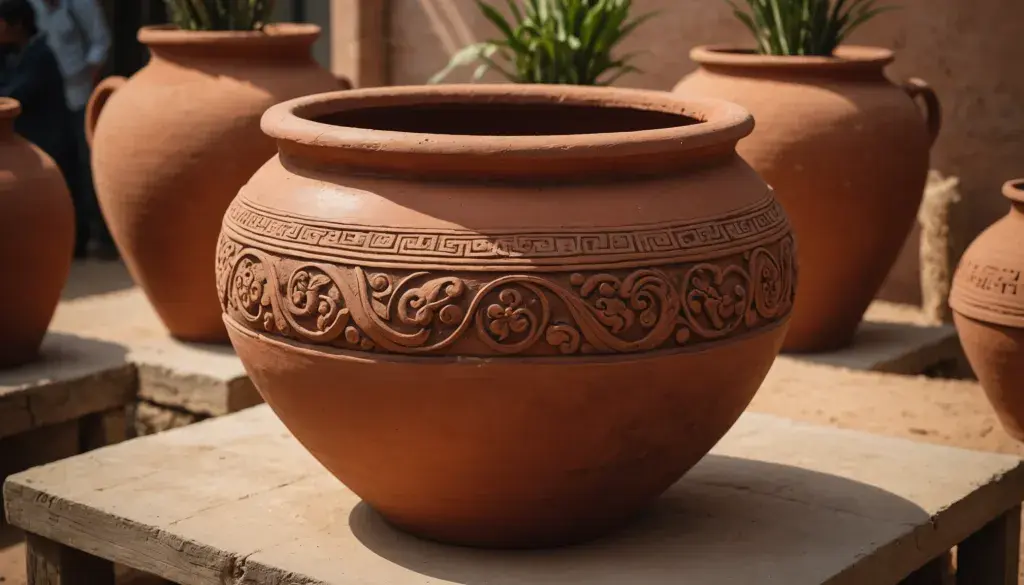
Local potters shape clay from riverbeds into vessels that double as storage and sculpture. Weavers produce intricate patterns symbolizing harvest cycles, using fibers from homegrown flax. These crafts preserve techniques honed over centuries, embedding stories of migration and settlement.
Festivals and Community Gatherings
Annual harvest festivals feature dances reenacting planting rituals, drawing villagers together under starlit skies. Music from handmade instruments accompanies tales recited by elders, reinforcing communal bonds through shared performance.
Influence of Local Materials
Art draws directly from the land: pigments from berries stain fabrics, while wood carvings depict wildlife. This reliance on environment ensures creations reflect ecological realities, promoting sustainability in artistic practice.
Rural Life
Daily Routines and Social Structures
Dawn breaks with livestock tending and field preparation, followed by midday communal meals. Elders advise on weather patterns, guiding younger members in balanced living that prioritizes family and land stewardship.
Seasonal Rhythms and Adaptations
Spring sowing yields to summer weeding, autumn reaping, and winter repairs. Families adjust tasks to rainfall variations, maintaining harmony between human needs and natural timelines.
Challenges and Resilience
Floods test dikes built from local clay; droughts prompt seed diversification. Communities respond through collective labor, turning adversity into refined survival strategies rooted in experience.
Agriculture
Crop Diversity and Farming Techniques
Farmers rotate grains, legumes, and vegetables to enrich soil naturally. Intercropping maize with beans fixes nitrogen, boosting yields without synthetic inputs. These methods sustain productivity across generations.
- Grains like millet thrive in dry spells.
- Legumes restore soil fertility.
- Vegetables provide year-round nutrition.
Livestock Integration
Cattle graze fallow fields, their manure fertilizing plots. Chickens forage pests from orchards, creating closed-loop systems that minimize waste and maximize output.
Innovation in Sustainable Practices
Terracing prevents erosion on slopes; rainwater harvesting fills irrigation needs. These adaptations counter climate shifts, ensuring agriculture aligns with environmental limits.
Education
Informal Learning in Daily Life
Children shadow parents in fields, absorbing crop lore and tool use firsthand. Evenings bring storytelling sessions that impart moral lessons alongside practical skills.
Community Schools and Workshops
Village halls host classes on literacy and arithmetic, integrated with agriculture lessons. Guest artisans teach craft basics, blending formal knowledge with hands-on application.
Role in Preserving Traditions
Educators emphasize local history through oral histories and field trips to ancient sites. This approach instills pride in heritage while equipping youth for modern demands.
Local History
Origins and Settlement Patterns
Ancestors arrived centuries ago, drawn by fertile valleys. They cleared forests methodically, establishing patterns that defined village layout and resource use.
Key Historical Events
Resistance to external land grabs solidified communal ownership. Famines spurred crop experimentation, laying groundwork for current diversity.
Artifacts and Oral Traditions
Stone tools and etched stones mark early presence. Songs chronicle leaders' deeds, keeping history alive without written records.
Environment
Ecological Balance and Biodiversity
Native trees shade crops, hosting birds that control insects. Wetlands filter water, supporting fish populations integral to diets.
Conservation Efforts
Communities plant hedgerows to curb wind erosion and replant deforested hills. Patrols deter illegal logging, safeguarding watersheds.
- Hedgerows boost pollinator habitats.
- Replanting restores soil moisture.
- Patrols protect mature stands.
Impact of Human Activity
Controlled grazing prevents overgrowth; organic farming avoids chemical runoff. These measures maintain equilibrium, allowing rural life to flourish amid agriculture.
What defines Culture Village's unique culture?
It merges visual arts like pottery with performative traditions such as harvest dances, all tied to agricultural cycles. This integration fosters identity distinct from urban influences.
How does agriculture support rural life here?
Crop rotations provide steady food and income, while livestock offers dairy and draft power. Surplus trades sustain local economies without external dependence.
What educational opportunities exist for children?
Hands-on farm training combines with literacy classes in village centers. Elders supplement formal sessions with history and ecology lessons drawn from lived experience.
How is the environment protected?
Communal rules limit expansion into forests; native seed banks preserve plant diversity. Water management through ponds ensures recharge during dry periods.
Can visitors experience local history firsthand?
Guided walks to ruins and artisan demos offer direct engagement. Festivals provide immersive views of preserved customs in action.
What role does art play in ecology awareness?
Murals depict wildlife benefits to farms, while crafts use sustainable dyes. These visuals reinforce conservation messages across generations.